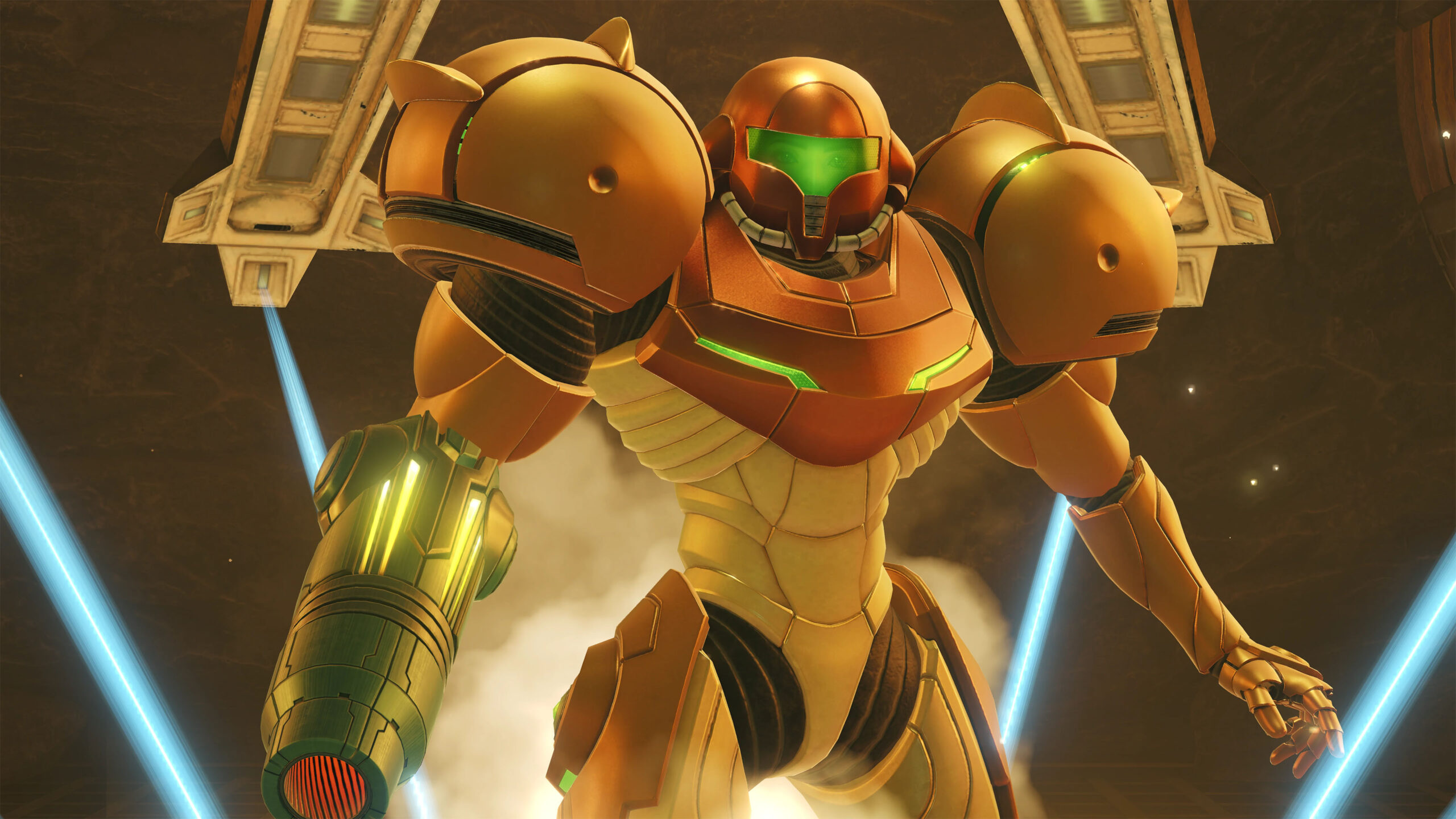
More than twenty years after its original release on the Nintendo GameCube, Metroid Prime returns in a remaster that does far more than polish the surface. This is not a light upgrade or a coat of HD paint. Like the Dead Space remake, Prime Remastered reworks all models, textures, lighting, and sound design with extraordinary care, but always in service of what the original was already doing so well. Prime Remastered honours its legacy, while refining nearly every element.
At its core, Metroid Prime remains a curious hybrid: part first-person shooter, part atmospheric puzzle game, part precise platformer. But unlike most titles in the first-person genre, it does not rely on non-playable character chatter or big spectacle. Samus is all by herself on an alien planet. The game has barely any cutscenes, no quest markers, and no helpful companions guiding where to go next. The world of Tallon IV unfolds in silence, if you let it.

Storytelling happens not through dialogue, but through discovery. Lore is scattered in scan logs, ancient ruins, and the remnants of failed experiments. This type of experience demands attention and rewards patience. The player learns by looking not just for where to go, but for what happened in the many areas of Tallon IV, and what might still be lurking beneath the surface. The result is an experience that feels quiet, contemplative, and at times even eerie. Few games sustain such solitude until the end, or make it feel this intentional.
Navigation is central to the experience, and here too Prime excels. The map design is among the best available with areas that are densely interconnected and that encourage backtracking, not as a chore but as a source of satisfaction. Samus passes through the same rooms many times, but each return feels different, mostly enabled by new upgrades, new tools, and a growing sense of mastery. That the game does this without ever feeling repetitive is a quiet triumph.
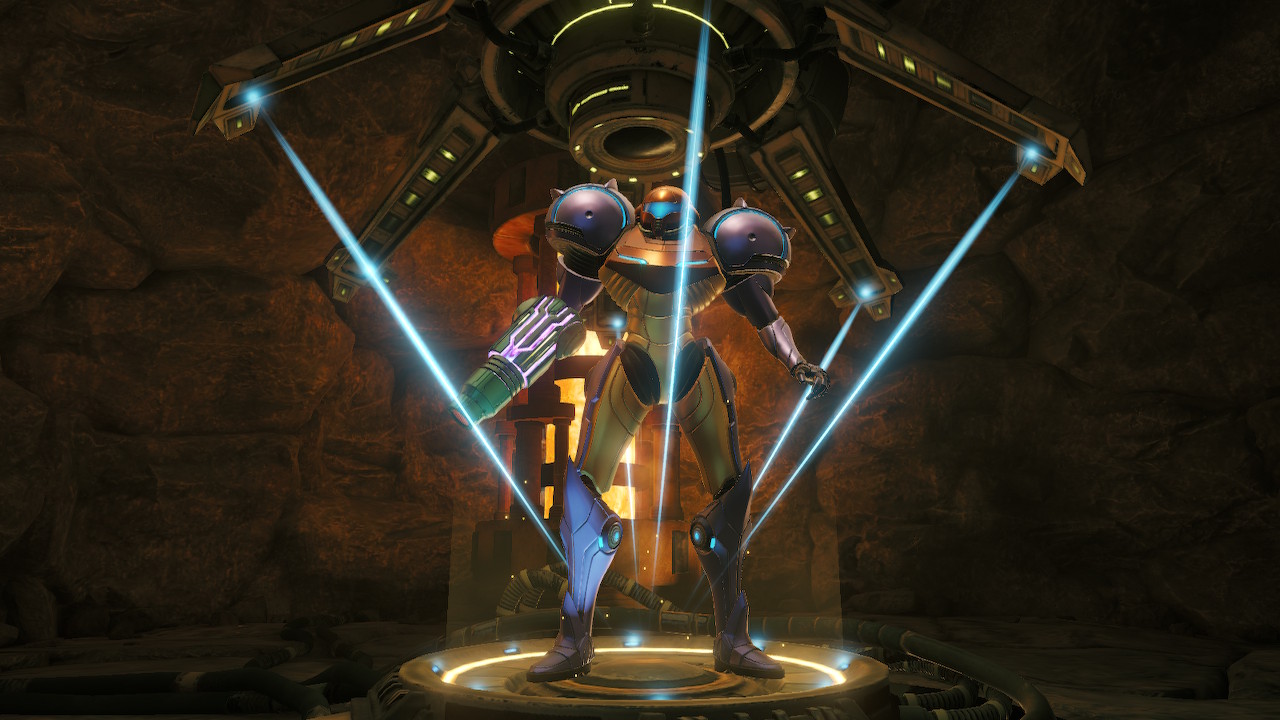
Metroid Prime Remastered also has no fast travel. And yet, this is what makes Prime so immersive. It teaches the player to plan routes, remember doors, trace and remember certain paths, and revisit corners once inaccessible and written off. Prime is a game that respects the player’s ability to learn its mechanics and rewards that learning with new areas and powers. As a result, the world deepens as Samus progresses.
What elevates the Prime remaster above the original, beyond the visuals, is its modernized control scheme. Using the dual joysticks of the Switch, movement and aiming now feel much more fluid and precise, finally bringing Prime up to the standard players have come to expect from more modern shooters. The effect is subtle but at the same time it feels as if Samus had a full-blown suit upgrade.
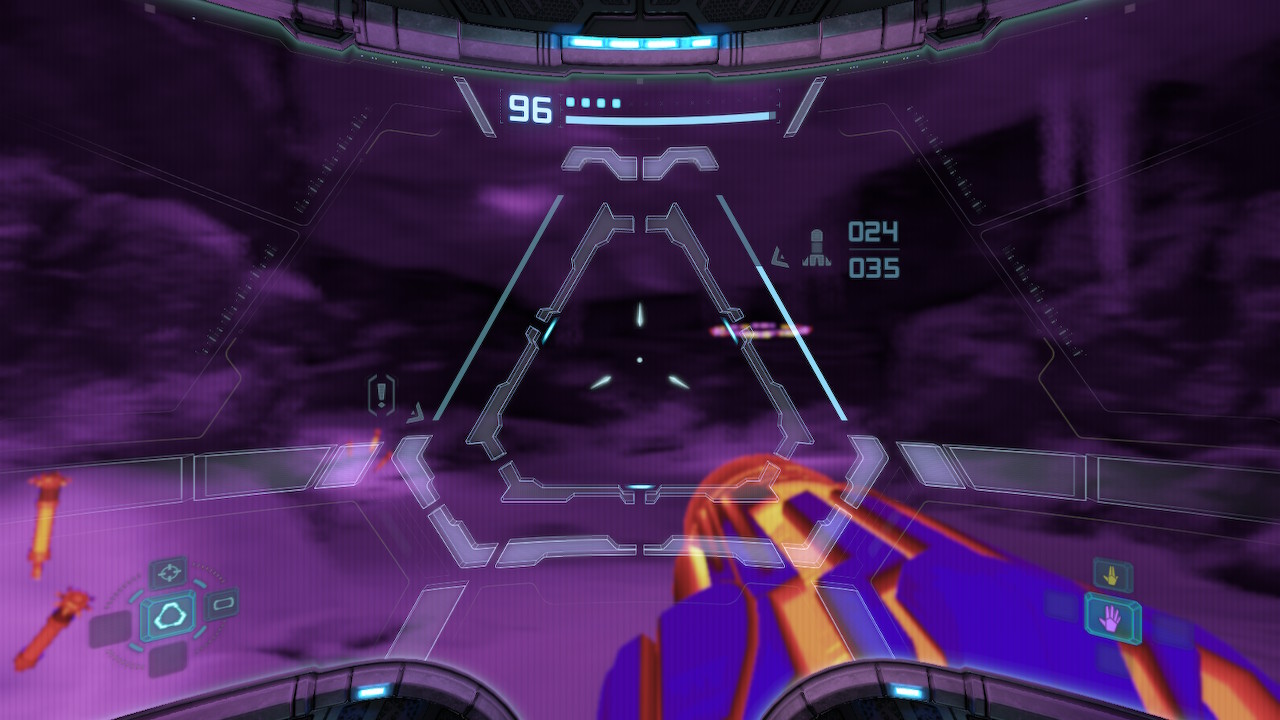
On top of that, the first-person perspective feels even more immersive: players see the world through Samus’ visor, complete with reflections, HUD data, and damage effects. The iconic Morph Ball, however, remains in third-person, which is a welcome concession that keeps navigation clean and obviously prevents motion sickness. The Morph Ball-powered puzzle-based challenges in Prime offer a welcome shift in rhythm, and several of the game’s cleverest moments emerge in these compact tunnels and tracks.
Metroid Prime Remastered also brings an elegance to platforming with jumping, timing, and positioning all feeling responsive. The only blemish here lies with the Joy-Con layout: shoulder buttons are sometimes cramped during action-heavy platforming or when charging weapons. Playing docked with a Pro Controller, however, alleviates these issues and makes for the best overall experience.
Sound design also deserves special mention. The score, newly reimagined, stays true to the original’s eerie synth tones while giving them depth and polish. But the real achievement of Prime Remastered lies in the ambient sounds: the low buzzing of hidden rooms, the faint clicking of creatures behind walls, and the echo of Samus’ own steps. Sound is therefore not just aesthetic, but also a tool for navigation and survival.
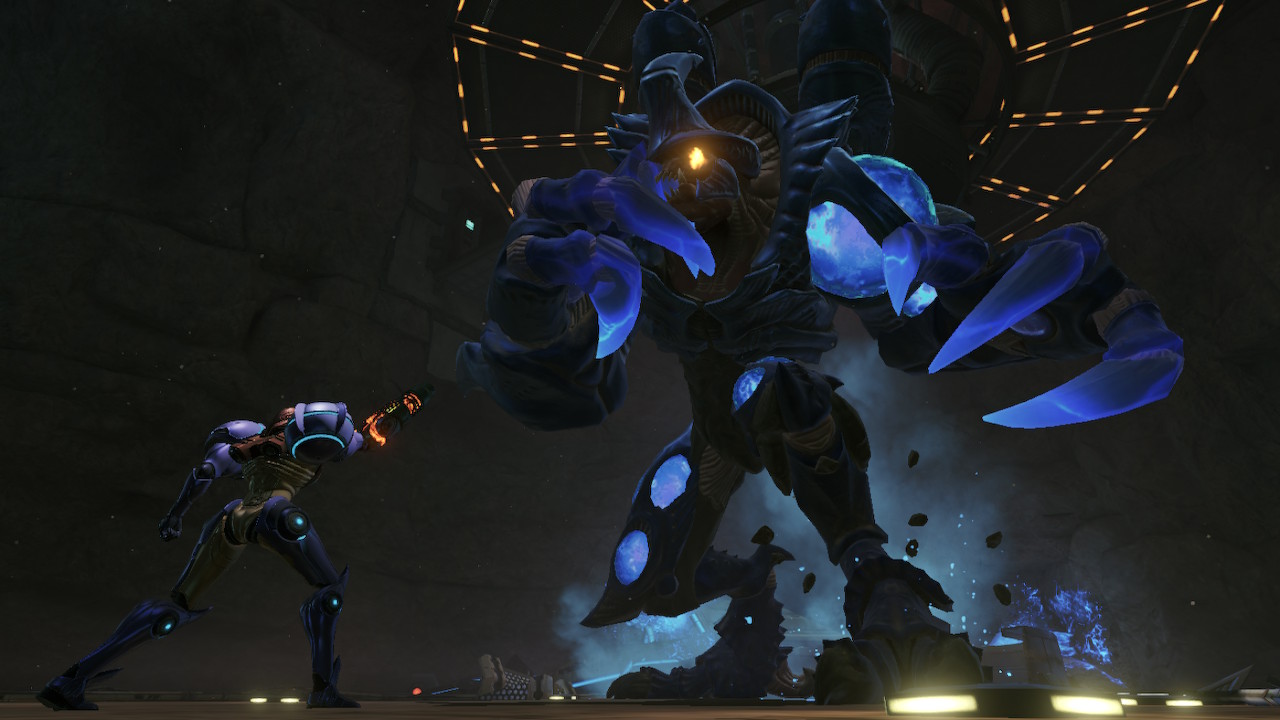
Like many older games, Metroid Prime is easy to pick up but hard to master. Ignoring its gameplay systems by rushing through will inevitably result in a punishing second half of the game because Samus lacks the necessary skills or upgrades. On top of that, bosses require more insight than brute force. They ask for observation, strategy, and often a correct combination of the four different damage types available to Samus.
Ultimately, what Metroid Prime offers above all is tension. The choice between pressing on or turning back to a distant save station, low on health and missiles, is always a difficult balancing act. This freedom, and the risk it entails, is where the game’s immersion reaches its peak. In those moments, you’re not just playing as Samus, but you feel as if you are Samus.
In the end, Metroid Prime Remastered remains a one-of-a-kind experience. Tallon IV is solitary but rich, challenging but fair, alien but strangely beautiful. It trusts the player’s autonomy, rewards curiosity, and above all shows that creative world design and gameplay age well. Metroid Prime is one of the rare video games that does not tell a story, but invites players to discover and explore their own.
Leave a Reply