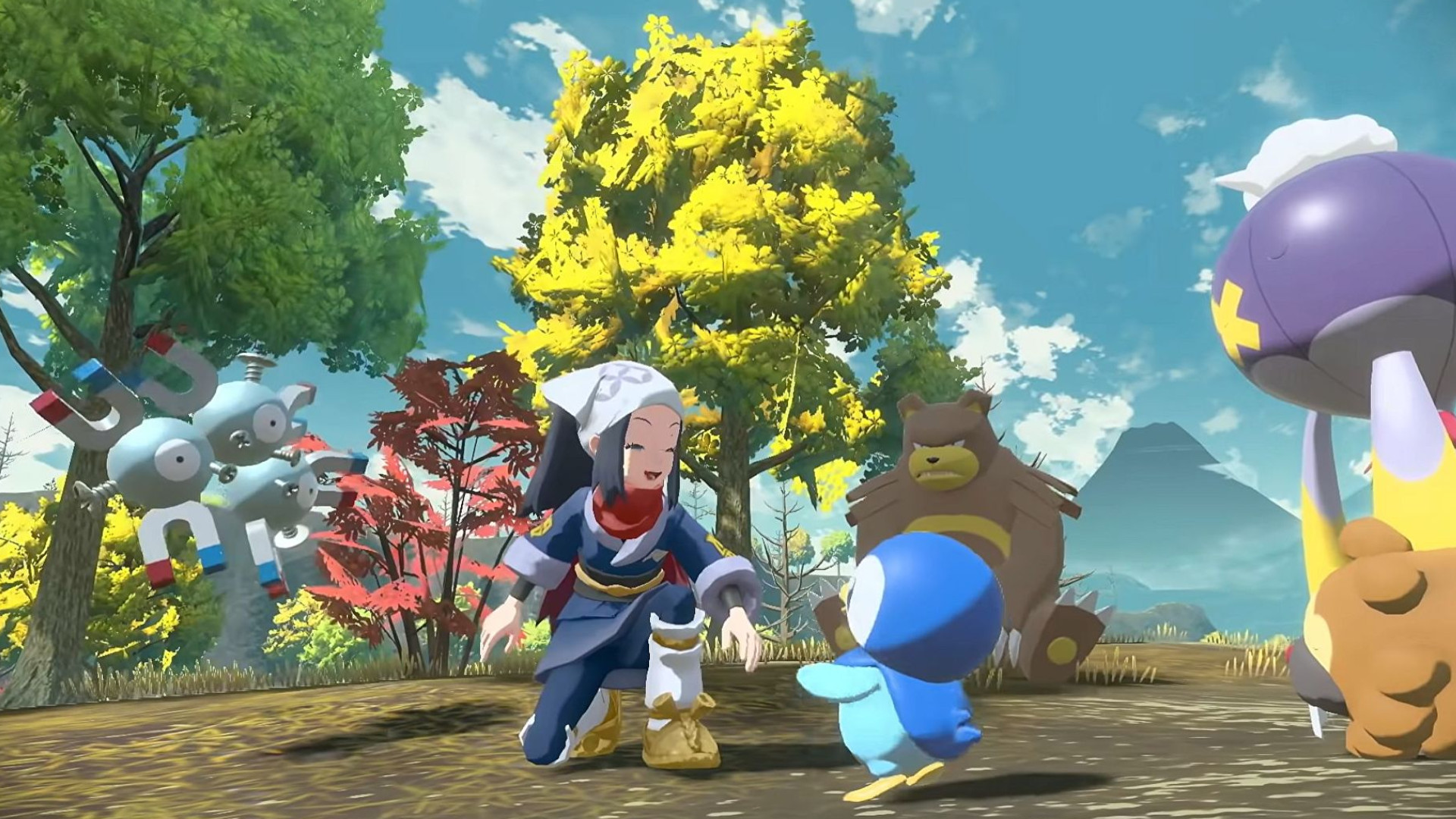
Pokémon has never been a franchise known for radical innovation. For nearly 25 years, the main series followed a familiar formula: it combined the basic tenets of an RPG with a top-down perspective, random wild encounters, turn-based battles into a journey to becoming the ultimate Pokémon Champion. Pokémon Legends: Arceus breaks away from this tradition, reinventing nearly every aspect of the series.
Gone is the classic story of a young trainer striving to be the best, as well as random wild encounters, lots of trainer battles, gym badges, the Elite Four, and even evil organizations like Team Rocket. Instead, players are dropped into a semi-open world where wild Pokémon roam freely, waiting to be caught. The result is a world that feels more alive than ever, as many Pokémon now exhibit unique behaviors and personalities. For example, watching a Psyduck splash in a shallow river is bound to bring a smile to any player’s face.
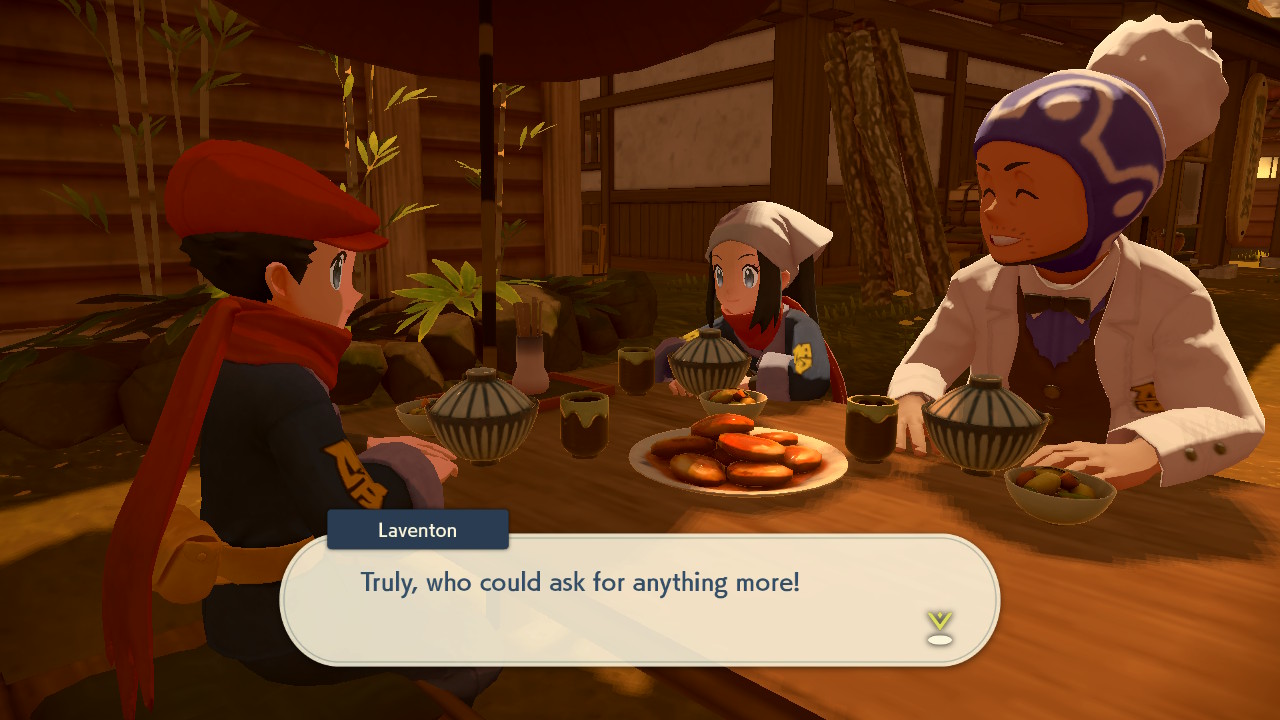
At its core, however, Arceus remains faithful to what makes the franchise special: capturing Pokémon, bonding with favorites, and assembling a strong team to tackle increasingly stronger opponents. The game is set in the distant past, long before any other mainline entry, immersing players in a low-tech Pokémon world where the Pokédex is still a handwritten journal instead of a digital database, Pokémon are kept in pastures rather than stored in PCs, and Pokéballs are still a novel invention. Many of the conveniences from modern games are absent, reinforcing the sense of a world still learning to coexist with Pokémon.
The story begins with the protagonist arriving on the outskirts of Jubilife Village, where the locals fear Pokémon. A mysterious voice tasks you with cataloging every species in the Sinnoh region—known from Pokémon Diamond and Pearl—and with the help of a local professor (surprise!), you embark on a journey to bridge the gap between humans and Pokémon.
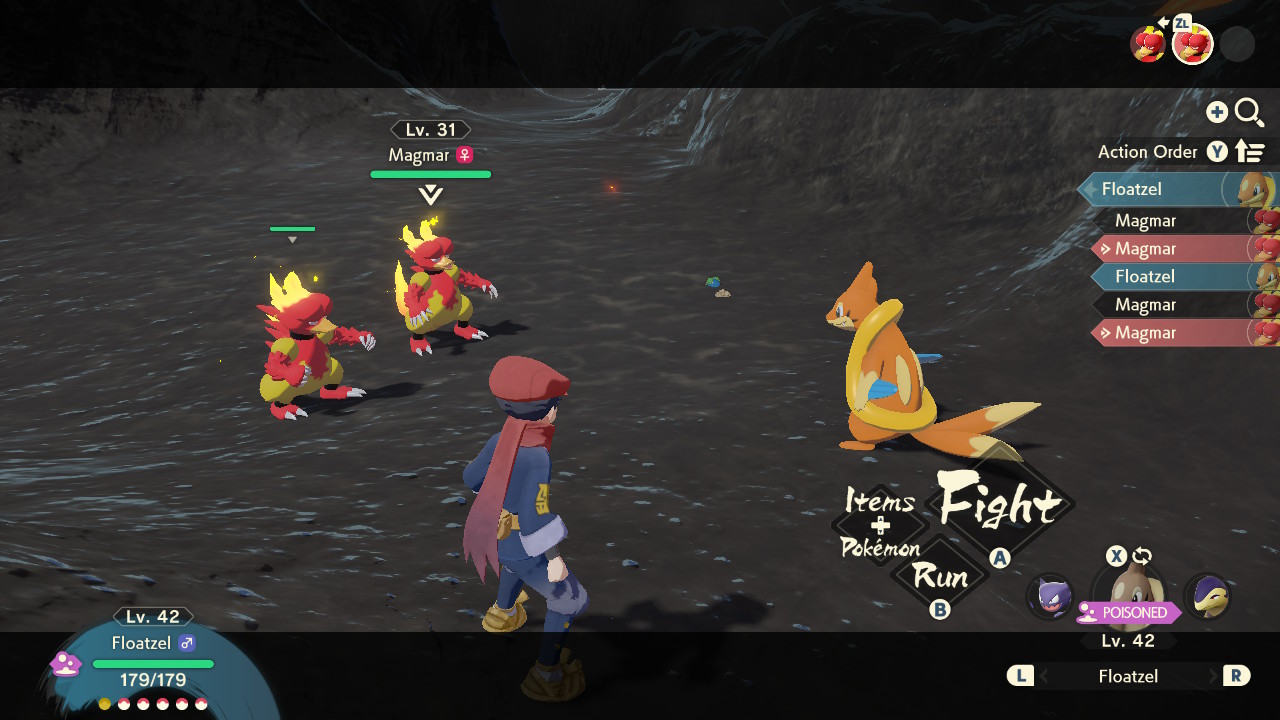
Catching Pokémon has been completely reworked, making encounters feel more dynamic and strategic. Rather than being forced into battle, players can approach Pokémon in different ways: sneaking up and throwing a Pokéball, initiating a fight with their own Pokémon, or using bait to lure creatures into range. Each species has its own temperament, meaning some will flee at the sight of a human while others will charge on sight, forcing players to adapt their approach. The presence of Alpha Pokémon, which are larger, more powerful versions of familiar species, adds a fun layer of unpredictability. Meanwhile, random space-time distortions create moments of pure chaos, unleashing swarms of rare and aggressive Pokémon in a frenzy that can overwhelm unprepared players.
Battling has been refined with the introduction of Strong and Agile attack styles, allowing players to sacrifice power for speed or vice versa. While this adds a tactical layer, its impact can sometimes feel inconsistent, especially at higher levels where battles often end in one-hit knockouts. The overall pacing of fights has improved, with fewer trainer battles making each encounter feel more meaningful, and adjustments to status effects streamlining combat. Outside of battle, quality-of-life improvements make the experience smoother than ever: evolutions can be triggered manually, trade evolutions have alternate methods, and Pokémon remember all moves and can swap them at any time without visiting a Move Tutor.
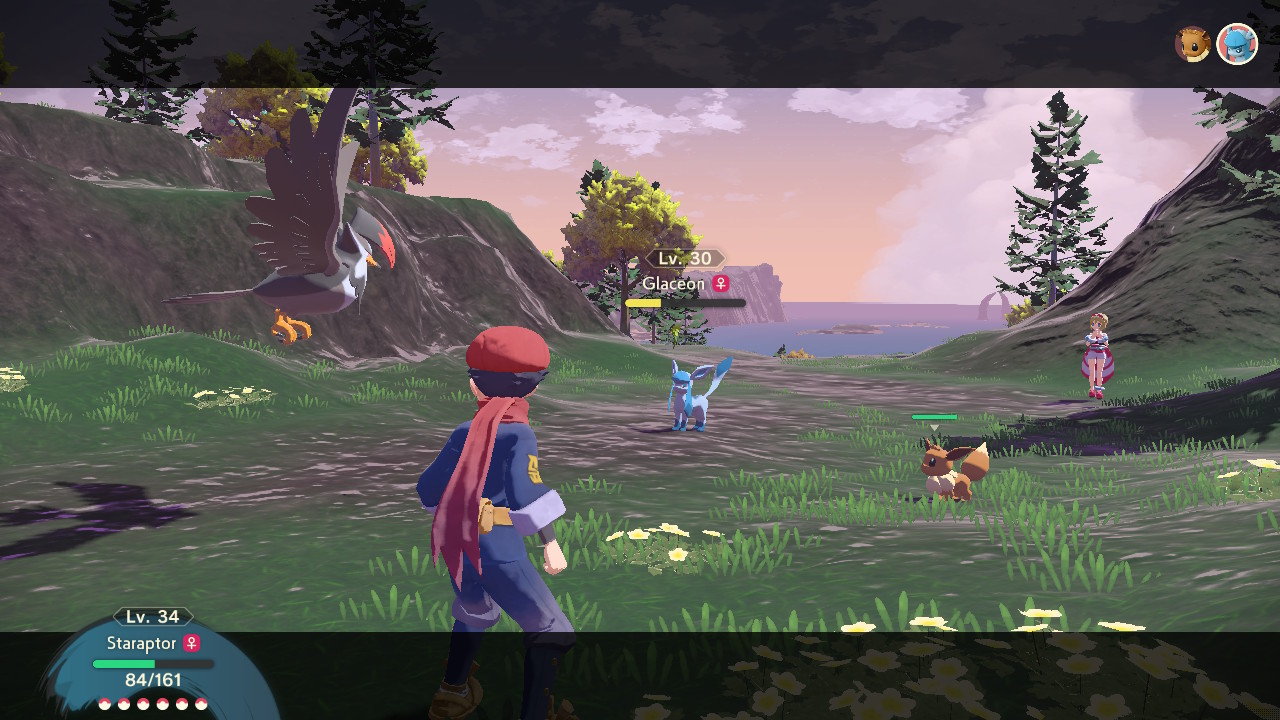
Despite its many strengths, Arceus struggles with presentation. While the Nintendo Switch isn’t a powerhouse, the game still manages to disappoint visually. The open world feels barren and repetitive, with low-quality textures, frequent pop-in, and choppy animations for distant Pokémon. As players unlock faster methods of travel—riding, surfing, and flying—these shortcomings become even more apparent, making exploration feel underwhelming.
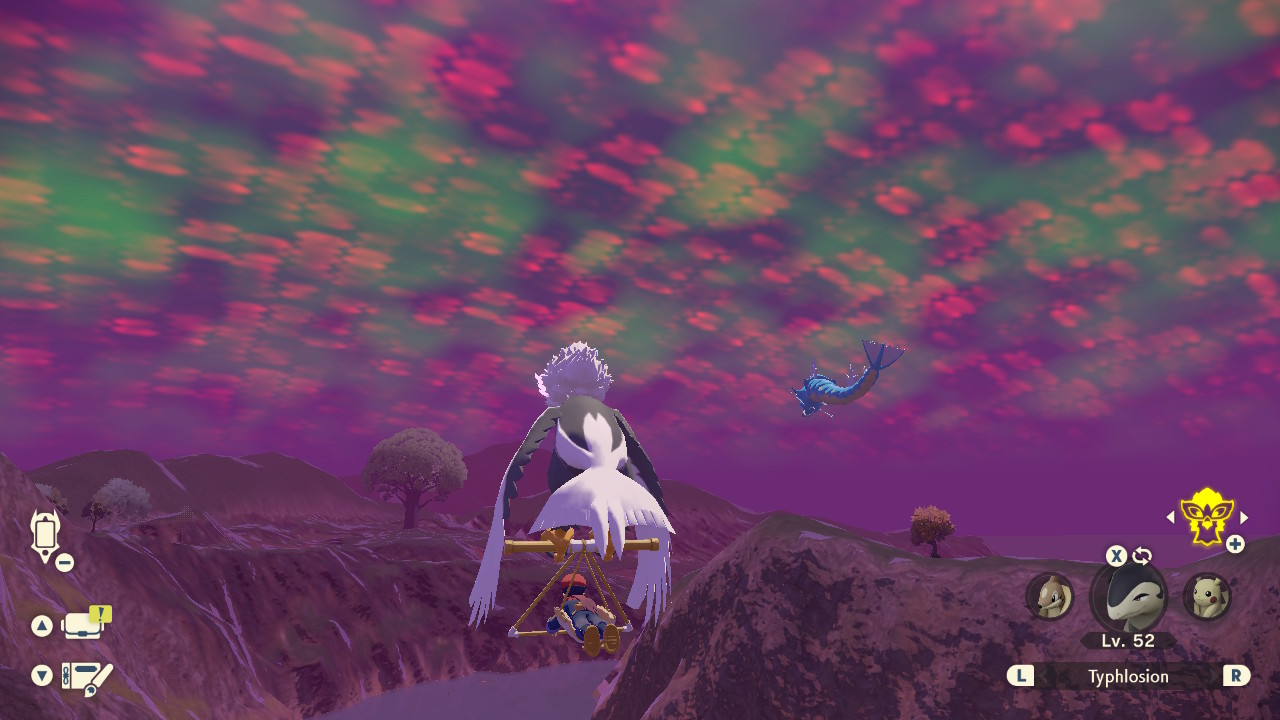
While the sparse world makes sense in a setting where humans are just beginning to venture into the wild, it lacks the environmental variety that makes other open-world games engaging. Caves, mountains, and waterfalls rarely offer anything beyond more Pokémon to catch, and the game is missing the environmental puzzles that made previous titles more interactive. Unlike games such as The Legend of Zelda, which fill their worlds with secrets and challenges, Pokémon Legends: Arceus relies almost entirely on catching Pokémon to sustain player interest.
Completing the Pokédex, a core objective of the game, is another area that could have been handled better. Instead of hiding rare Pokémon behind clever puzzles or interesting side quests, Arceus relies on random spawns and luck-based encounters. This can make tracking down specific Pokémon frustrating, as players must repeat the same actions over and over without any guarantee of success.
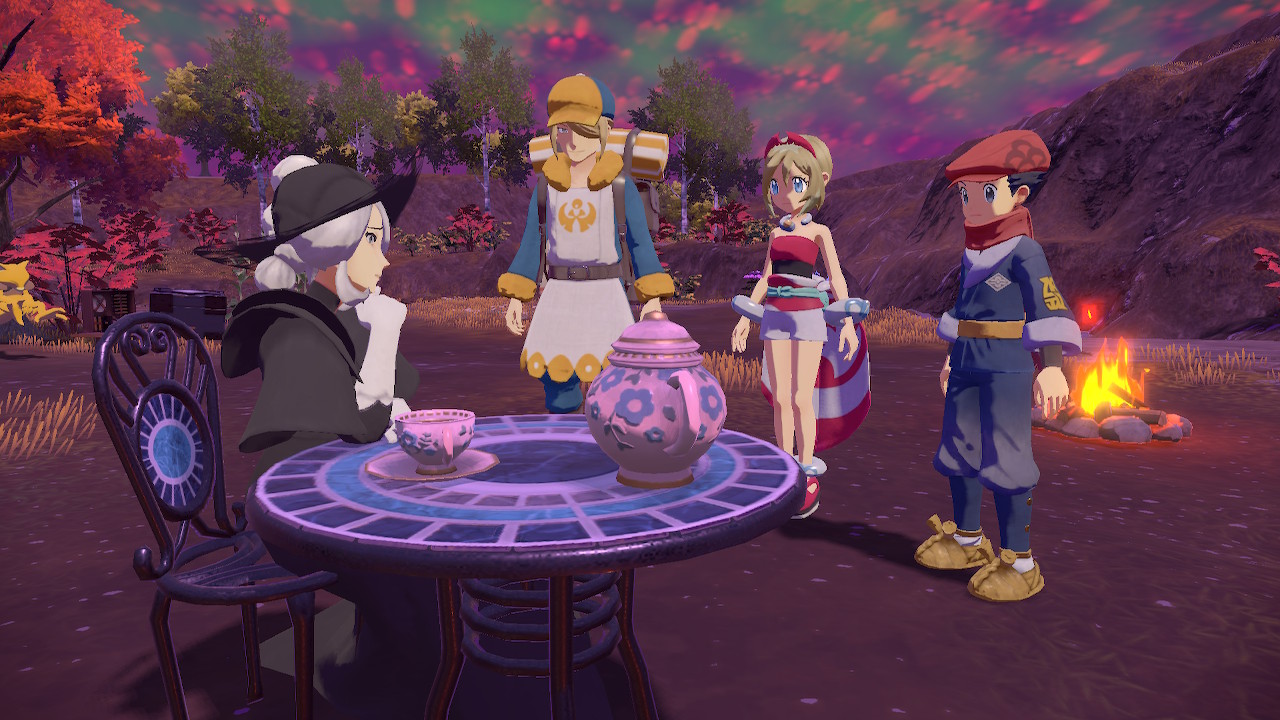
Despite its flaws, Pokémon Legends: Arceus is a bold and much-needed reinvention of the franchise. It breathes new life into the act of catching, collecting, and battling Pokémon, delivering an experience that feels fresh and exciting. However, it falls short in world-building and storytelling, leaving a world that is at times immersive but often empty and repetitive. In some ways, Arceus offers the closest experience yet to truly living in a Pokémon-filled world, but that world isn’t always as engaging as it could be.
Leave a Reply